

PP sacks or paper sacks: what to choose for sugar, flour, cement, and fertilizers
Write a review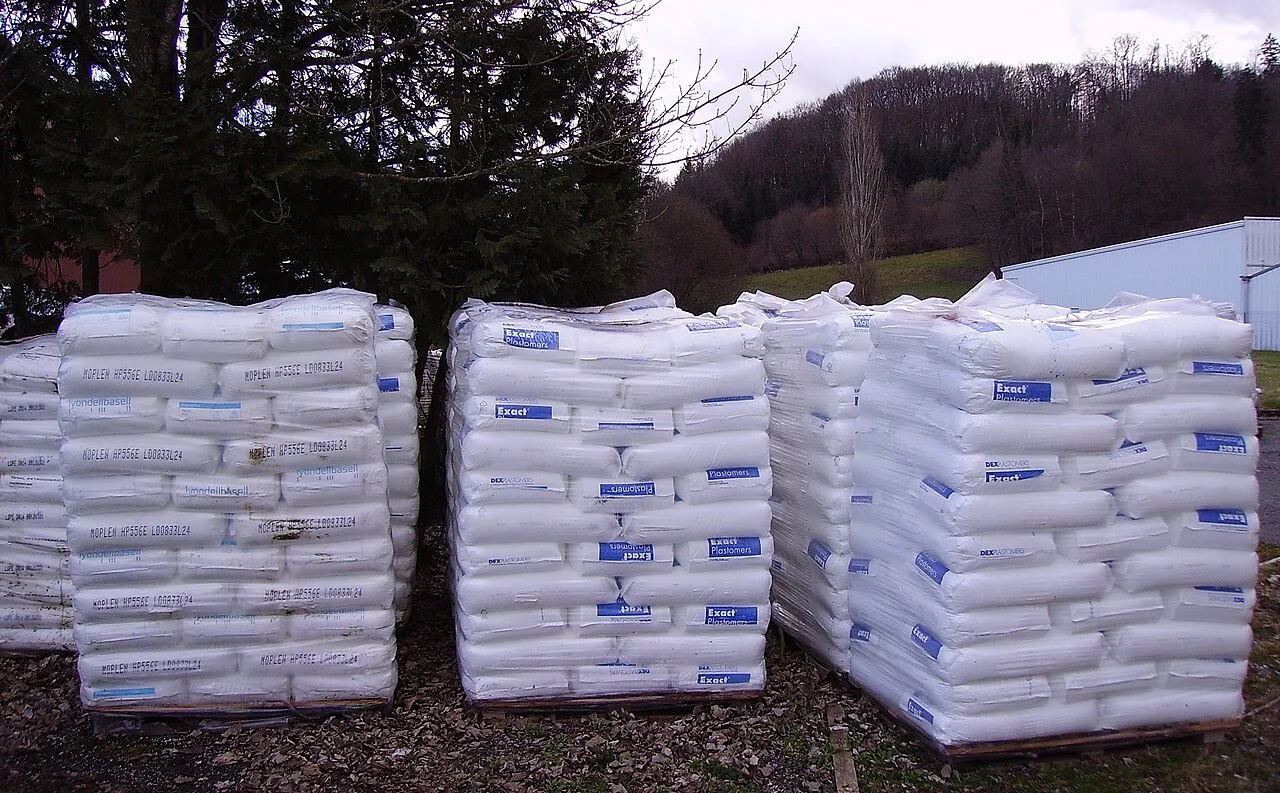
When packaging bulk materials, the choice usually comes down to two types of packaging — woven polypropylene sacks and multiwall paper sacks. Each has its strengths, and the right choice depends on the product, packing method, and storage conditions.
Polypropylene (PP) sacks
A PP sack is woven from polypropylene tapes. Its key advantages are:
- High tensile strength — withstands heavy loads and rough handling during transshipment.
- Moisture resistance — the material does not soften from moisture, and with a PE liner or lamination, it protects the product even better.
- Low price and reusability.
Drawbacks: printing on a woven surface is less detailed, and without a liner, fine powders can seep through the weave.
Paper sacks
A paper sack consists of 2–4 plies of kraft paper. Its advantages are:
- Excellent print quality — logos, ingredients, and barcodes appear sharp and crisp.
- Breathable material — the product cakes less and does not get damp from condensation.
- Clean automatic filling through a valve — virtually dust-free.
- Recyclability — important for retail chains and export markets.
Drawbacks: paper sacks are more sensitive to direct water contact and are generally more expensive than PP sacks of the same volume.
What to choose for different products
- Flour — mostly paper sacks: the product "breathes", valve filling is cleaner, and branding looks better. PP sacks are used for large volumes and price-sensitive markets.
- Sugar — PP sacks with a liner are popular due to their strength and moisture protection; paper sacks are chosen when appearance and buyer requirements matter.
- Cement and dry mixes — paper valve sacks for automated packing lines; PP sacks for outdoor storage and rough transport.
- Fertilizers and animal feed — PP sacks with a liner: strength and moisture protection are paramount here.
How to make a decision
Answer four questions: what is the product and its weight, how do you pack it, where and how long is it stored, and what matters more to the buyer — price or presentation? Often, a combination is best: paper sacks for retail and supermarket chains, polypropylene sacks for wholesale and long-distance shipping.
qoplar.uz manufactures both paper and polypropylene sacks, so we don't push a single option — we select the right packaging for your specific task. Send us your product details, and we will quote both options for you.
Foto: Cjp24 / Wikimedia Commons, CC BY-SA 3.0
